Pedagogy PRINCIPLES
Closeness to the Land
Rich Indian Culture and Heritage
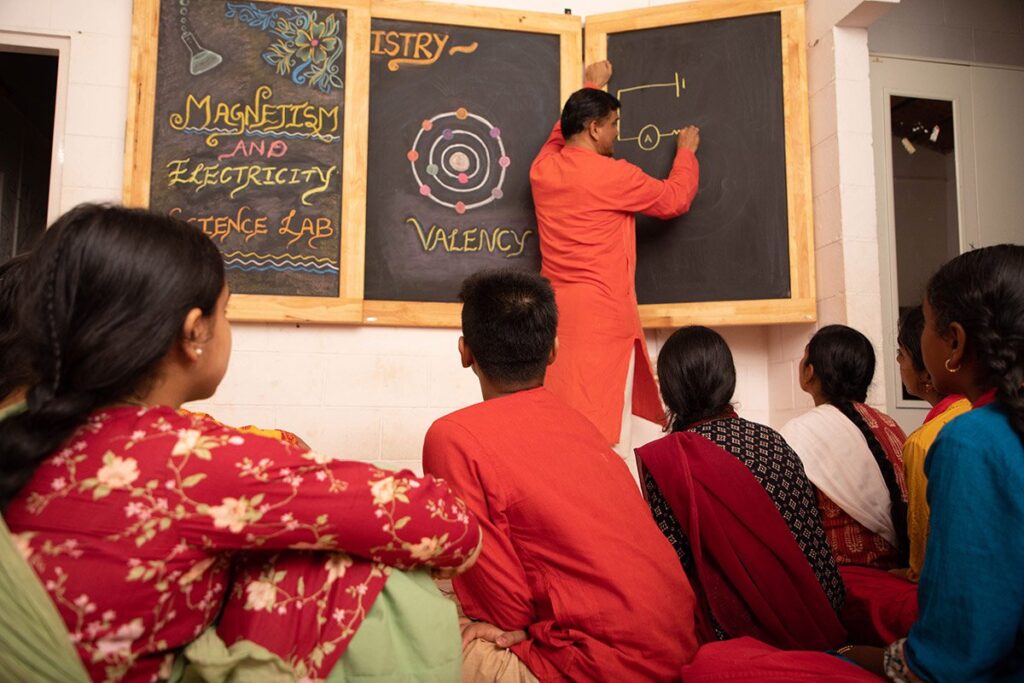
Learning Centered Approach
Non-competing environment
One should learn to compete with oneself and not with others is a principle we follow in our learning journey at VidyaKshetra. This ensures continuous improvement for each student. Teachers are responsible to ensure that no complacency sets in the child and it works with the children for purposeful learning.
Near to far approach
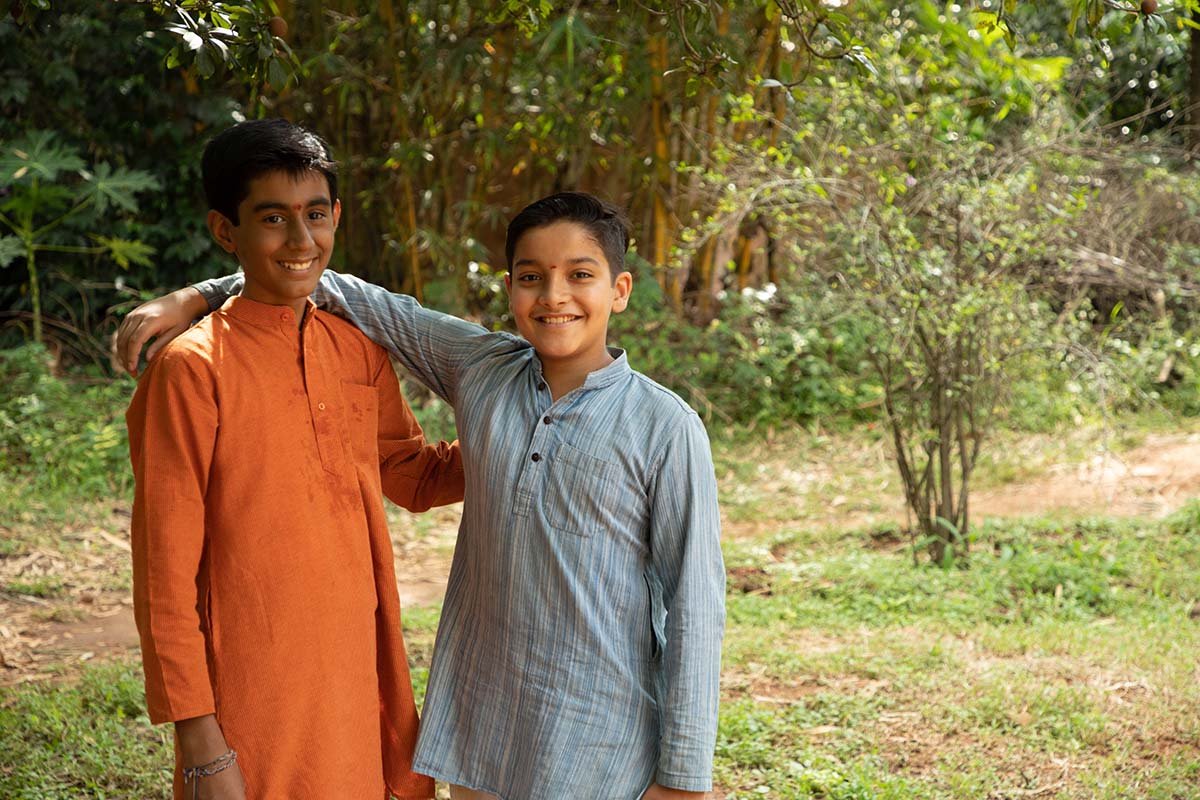
Asking a child to cram (subjects not meant to be crammed) something he has not understood builds fear in the child. Also the learning is limited and shallow. It is akin to asking a child who can jump a meter to jump 5 meters, which is impossible for him. Such a demand on the child gives rise to lack of confidence and fear in the child. Children should be subjected to a little stretch beyond their abilities and we should gradually enable them to do more.
Holistic learning
When a curriculum, pedagogy, school and home come together to address all three aspects of इच्छा शक्ति (feeling), क्रिया शक्ति (willing) and ज्ञान शक्ति (thinking), also sometimes referred to heart, hand and head, it is called holistic education. Holistic education is needed for us to achieve panchkoshatmika vikas of the child. Link: For more on panchkoshas, please visit vision, panchkoshas section. And for curriculum “Link: curriculum”.
Saundarya drishti
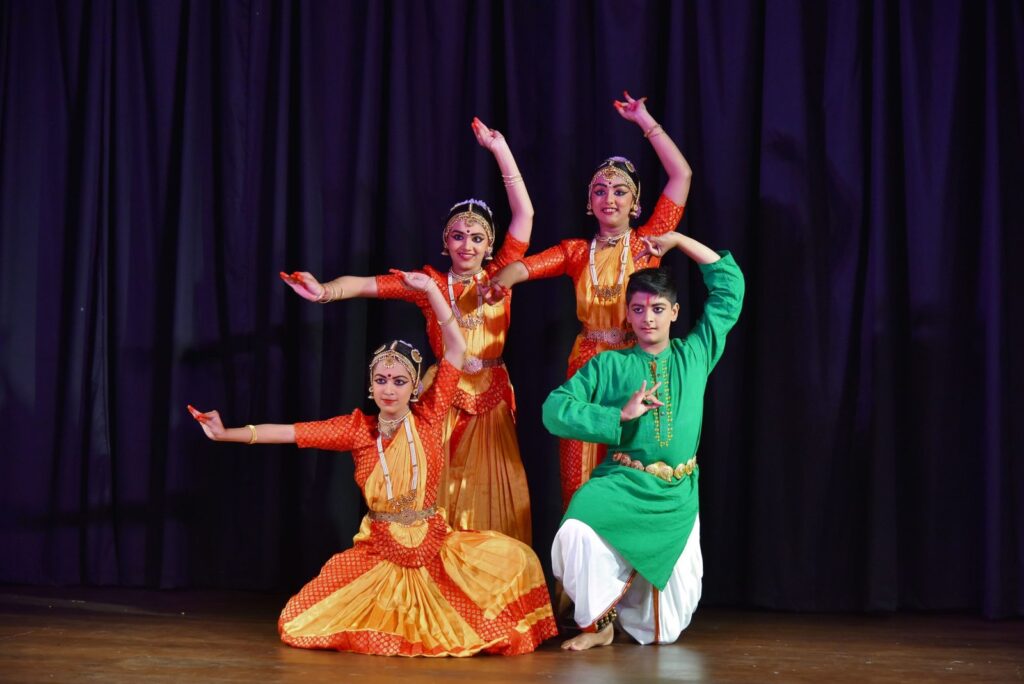
The Industrial revolution has led to factory centered production. Since we have moved away from artisans model to worker model, the sense of beauty (सौंदर्य दृष्टि) has taken a hit. Bharata bhoomi by nature was a feelings & relationship centered country. Hence it was very rich in relationships, kalas, beauty, aesthetics etc. It doesn’t mean it was not rich intellectually or in craftsmanship. It was exceptionally good in all three, but yet when it came to prioritizing between the three, heart/feelings/relations were always given priority.
With more individualistic, mechanized, gadget intensive living, life is increasingly becoming head centered and hence more measured, circumspect, doubting.
It’s the role of education and parenting to bring to children this balance and thus also an eye for detail and a sense of beauty. Not only visual beauty but also beauty in system designs, social designs, spatial design, architectural design, in speaking, in singing and in doing.
Vyavahara & Parmarth
Whatever we do in our life has 2 dimensions. A transactional dimension and a consciousness dimension. Also known as matter and spirit. For example, today we see despite having a huge number of clothes in one’s closet, if one goes to a showroom he/she ends up buying one more, just because they liked it. In this example the transactional aspect of clothing was there but the conscious dimension of environment, effort and need was ignored. Similarly one can consider an example of the number of houses one has today. One family needs one house to live. Property and real estate has become one of the most lucrative businesses today with some people owning tens and hundreds of houses/flats in their name. Again the transactional dimension of having a house is there, but the consciousness about the environment, the hills/mountains from which the stone and cement, the mine from which the iron and the river from which the sand came are completely ignored. What about the effort spent by the construction people and electricity used by machines to make such huge gigantic properties.
This aspect of consciously transacting with people, things and work around us is what we try to bring to our students at VidyaKshetra.
Saundarya Drishti
The Industrial revolution has led to factory centered production. Since we have moved away from artisans model to worker model, the sense of beauty (सौंदर्य दृष्टि) has taken a hit. Bharata bhoomi by nature was a feelings & relationship centered country. Hence it was very rich in relationships, kalas, beauty, aesthetics etc. It doesn’t mean it was not rich intellectually or in craftsmanship. It was exceptionally good in all three, but yet when it came to prioritizing between the three, heart/feelings/relations were always given priority.
With more individualistic, mechanized, gadget intensive living, life is increasingly becoming head centered and hence more measured, circumspect, doubting.
It’s the role of education and parenting to bring to children this balance and thus also an eye for detail and a sense of beauty. Not only visual beauty but also beauty in system designs, social designs, spatial design, architectural design, in speaking, in singing and in doing.
Experiential learning
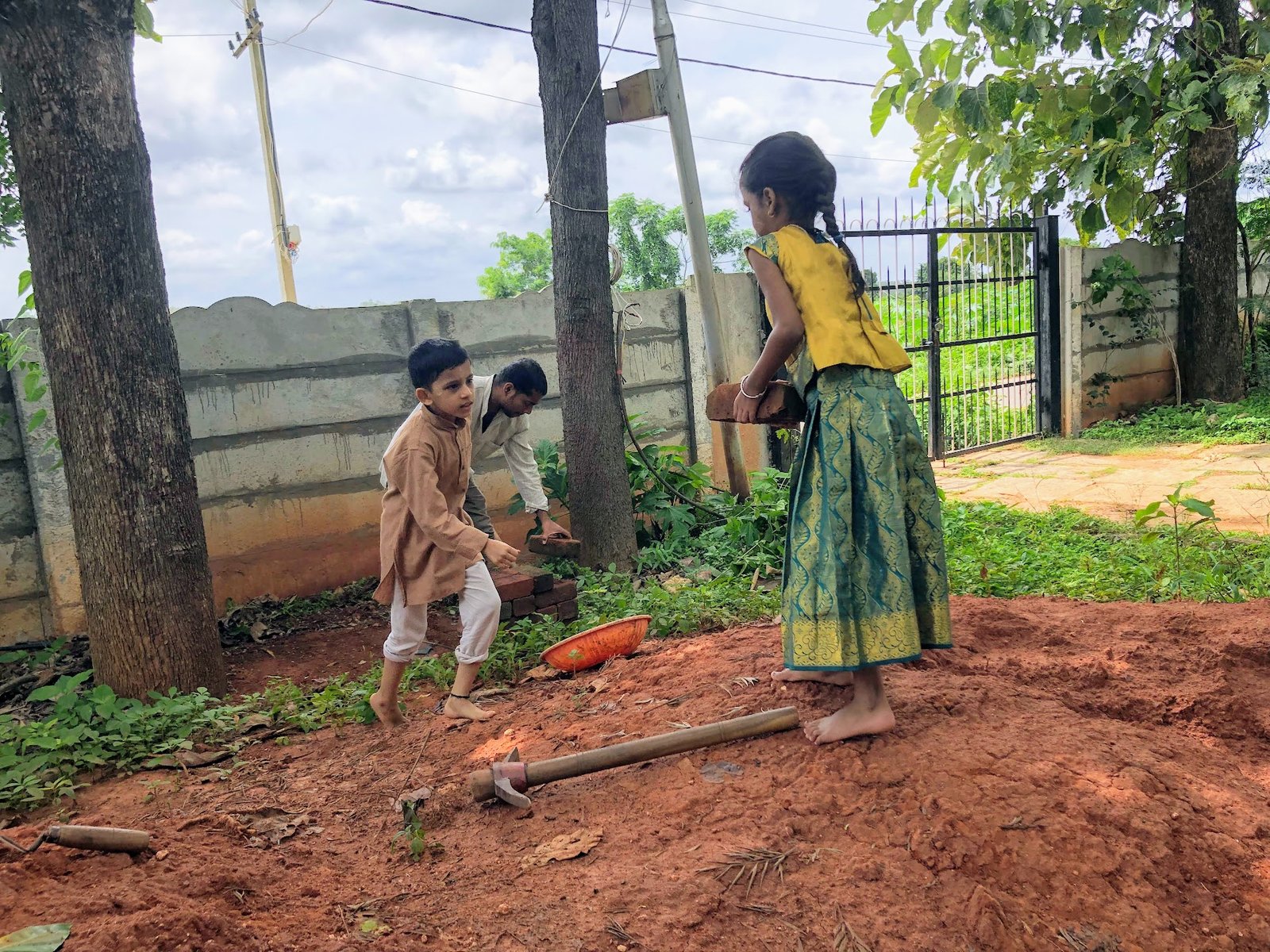
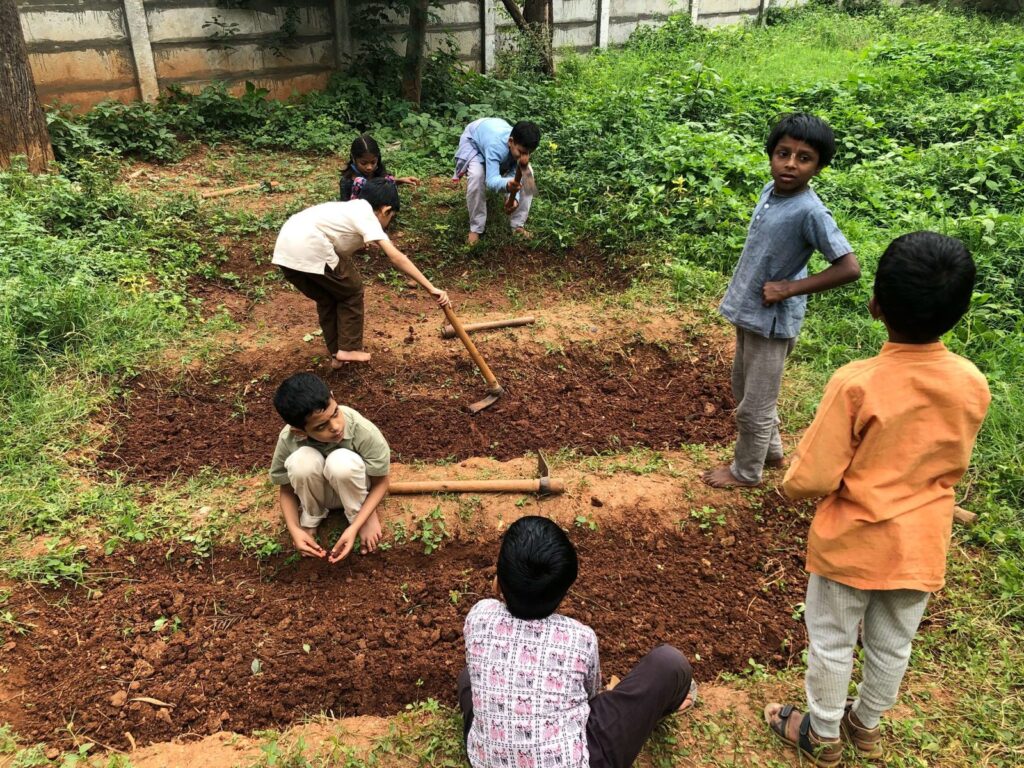
Whatever we do in our life has 2 dimensions. A transactional dimension and a consciousness dimension. Also known as matter and spirit. For example, today we see despite having a huge number of clothes in one’s closet, if one goes to a showroom he/she ends up buying one more, just because they liked it. In this example the transactional aspect of clothing was there but the conscious dimension of environment, effort and need was ignored. Similarly one can consider an example of the number of houses one has today. One family needs one house to live. Property and real estate has become one of the most lucrative businesses today with some people owning tens and hundreds of houses/flats in their name. Again the transactional dimension of having a house is there, but the consciousness about the environment, the hills/mountains from which the stone and cement, the mine from which the iron and the river from which the sand came are completely ignored. What about the effort spent by the construction people and electricity used by machines to make such huge gigantic properties.
This aspect of consciously transacting with people, things and work around us is what we try to bring to our students at VidyaKshetra.
To reinstate the Guru Shishya system of education
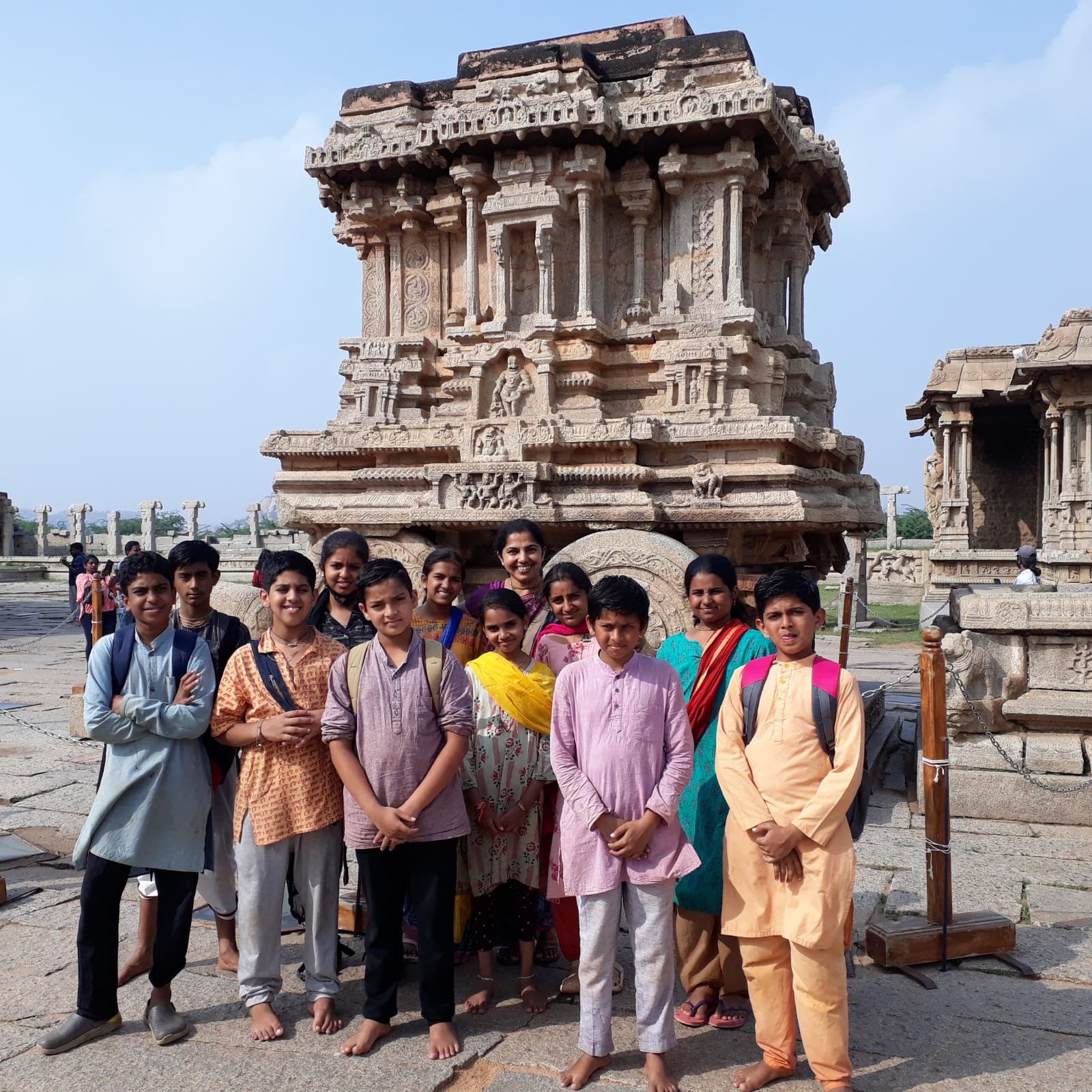
Just try to learn the truth by approaching a spiritual master. Inquire from him submissively and render service unto him. The self-realized souls can impart knowledge unto you because they have seen the truth. (Bhagavad Gita chapter 4, verse 34.)
Learning is lifelong, every movement, every place provides us with an opportunity to learn. At the same time it’s very important to learn and apply in a manner that we are able to build a legacy over and beyond what we have learnt. This concept was called “एक का सवा”. Which means whatever knowledge we have received in our life, we need to pass 125% of that onto our next generation. This is how family traditions were passed on by parents from one generation to another and this is how knowledge traditions were passed on by acharyas from one generation to another.
Kutumbh Shiksha
The most fundamental principle on which samaj vyvastha of Bharat is built is that family is the smallest unit and not the individual. And from this principle is drawn other very important points of grihasta ashrama (leading a happy married life), giving birth to nice progeny, samskaras, taking care of family, food, health, work, home economics, satisfaction, happiness etc.
Kutumbh Siksha forms a very important part of our curriculum for both students and their families. We conduct weekly classes for parents on these principles and also regular sessions are organized with visiting mentors, online videos and articles are shared on these topics. Getting our child admitted in VidyaKshetra is not an outsourcing act. It requires a good amount of involvement from parents to understand these principles and to bring these changes in their way of life.